10 Common Home Inspection Myths Debunked
Understanding Home Inspections
Home inspections are a crucial step in the home buying process, yet they are often surrounded by misconceptions. These myths can lead to misunderstandings and potentially costly mistakes. It's essential to separate fact from fiction when it comes to home inspections.
In this post, we'll explore and debunk ten of the most common myths associated with home inspections. By understanding these myths, you can approach your home inspection with confidence and clarity.

Myth 1: New Homes Don’t Need Inspections
Many believe that new homes are flawless and don't require inspections. However, even newly constructed homes can have issues. From plumbing problems to electrical mishaps, a professional inspection can uncover hidden defects that might not be apparent at first glance.
Myth 2: Home Inspectors Can Predict Future Problems
Home inspectors evaluate the current condition of a property but cannot predict future issues. Their role is to identify existing problems and potential risks, not to foresee what might happen years down the line.
Myth 3: A Home Inspection Is the Same as an Appraisal
Some people confuse home inspections with appraisals. While both are important, they serve different purposes. An appraisal determines the market value of a property, whereas a home inspection assesses its condition. Understanding the difference can save you time and confusion.
Myth 4: All Home Inspectors Are the Same
Not all home inspectors have the same qualifications or experience. It's crucial to hire a licensed and reputable inspector who adheres to industry standards. Researching and selecting the right inspector is a key step in the home buying process.

Myth 5: Home Inspections Are Too Expensive
While some might view home inspections as an unnecessary expense, they can actually save money in the long run. Identifying potential problems before purchasing a home can prevent costly repairs and give you negotiating power.
Myth 6: Inspectors Will Check Everything
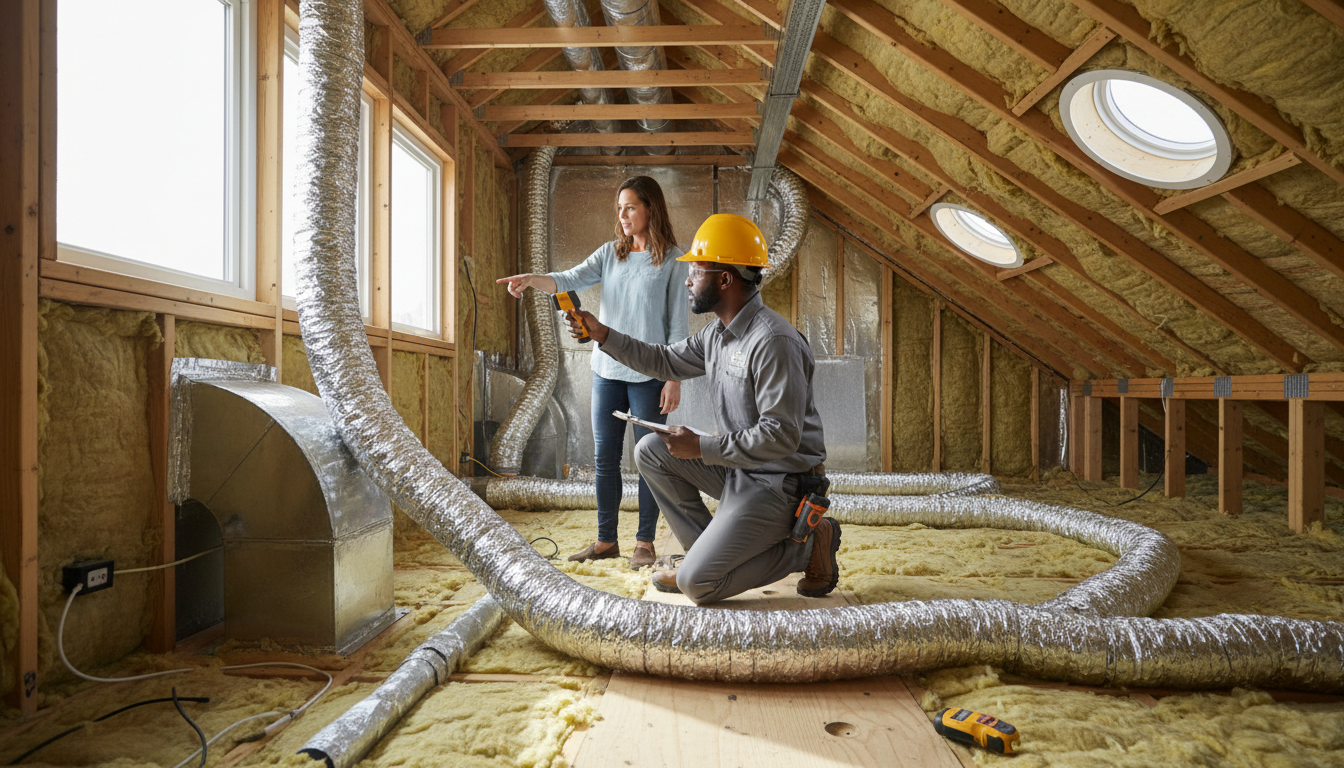
Home inspectors conduct a thorough examination, but their scope is limited. They focus on major systems and structures, not minor cosmetic issues. Understanding what an inspection includes can help set realistic expectations.
- Roof and attic
- Foundation and structure
- Plumbing and electrical systems

Myth 7: You Can’t Attend the Inspection
Some buyers believe they can't attend the inspection, but being present is actually beneficial. It offers an opportunity to ask questions and gain insights into the home's condition. Most inspectors welcome and even encourage your involvement.
Myth 8: A Passed Inspection Means No Future Problems
A successful inspection doesn't guarantee that a home will be problem-free forever. Regular maintenance and attention to emerging issues are vital to keeping a property in good condition.
Conclusion: Making Informed Decisions
Understanding these common myths can empower you to make informed decisions during the home buying process. A thorough and professional home inspection is an invaluable tool that helps ensure your investment is sound, providing peace of mind for years to come.