Top Residential Inspection Tips for First-Time Homebuyers
Understanding the Importance of Home Inspections
For first-time homebuyers, purchasing a house is a significant investment, and conducting a thorough home inspection is crucial. Inspections help uncover potential issues that could lead to costly repairs down the road. Knowing what to expect and what to look for can make the process less daunting.
Choose a Qualified Inspector
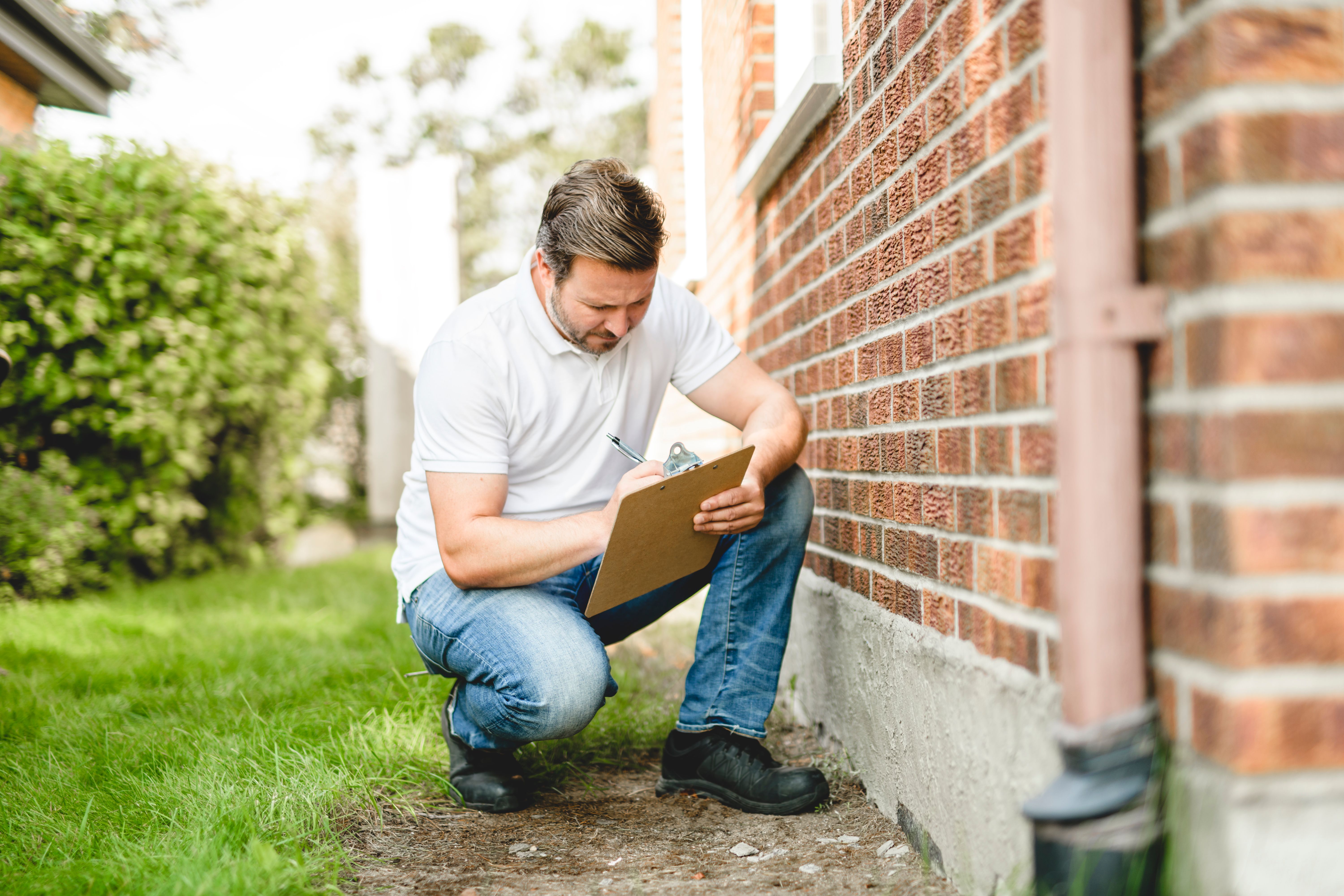
The first step is to hire a qualified home inspector. Look for someone with certifications from reputable organizations, such as the American Society of Home Inspectors (ASHI). A skilled inspector will provide a detailed report, highlighting both major and minor concerns.
Ask for referrals from friends or your real estate agent, and read online reviews to ensure you find a reliable professional. A thorough inspection can save you from unexpected headaches and expenses.
Key Areas to Inspect
During the inspection, there are several critical areas to focus on. These areas often harbor hidden problems that could impact the home's safety and value.
Structural Components
Begin with the structural components of the home. Inspect the foundation, walls, and roof for any signs of damage or wear. Cracks in the foundation or sagging roofs can indicate serious underlying issues.

Plumbing and Electrical Systems
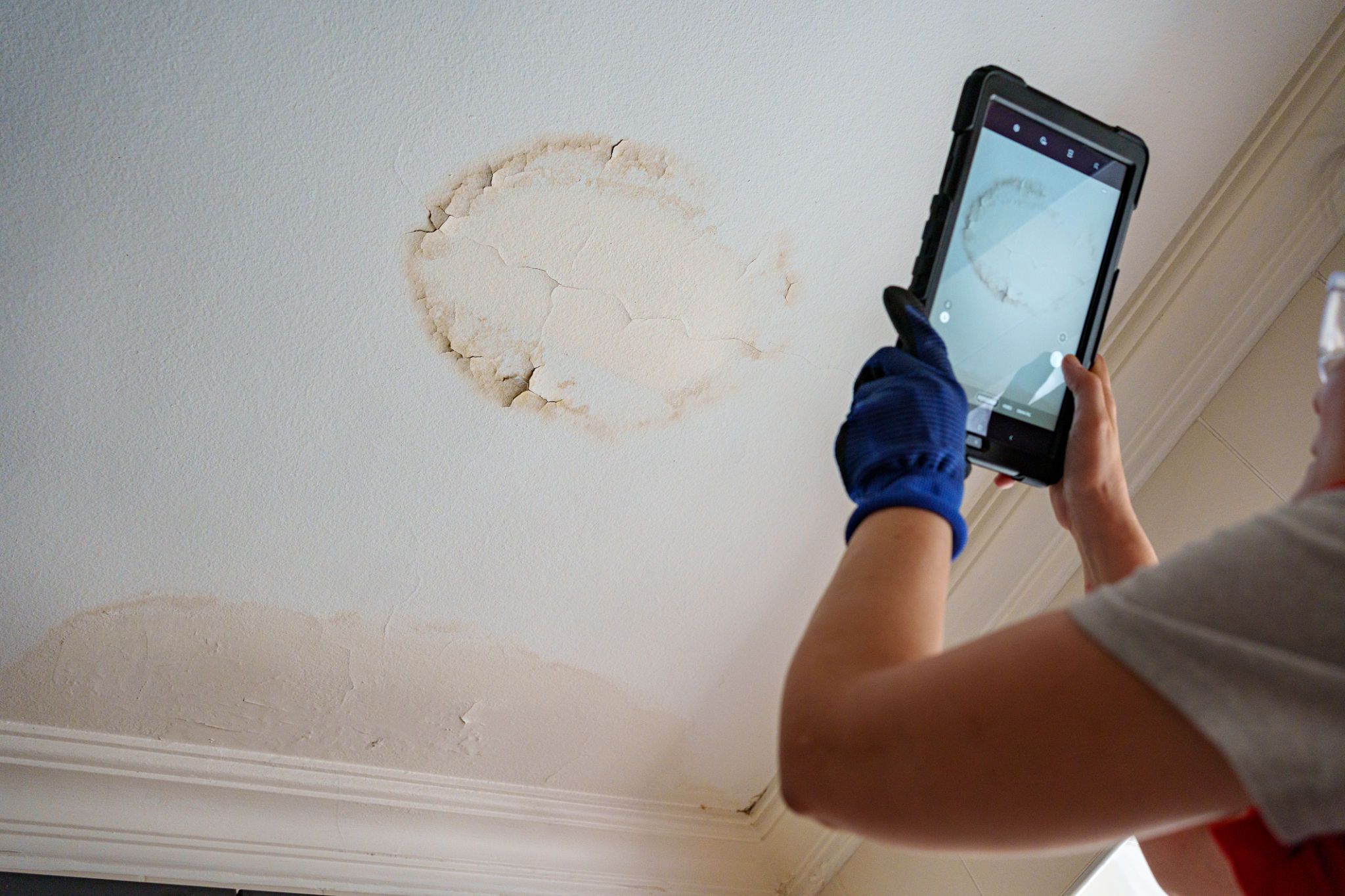
Next, evaluate the plumbing and electrical systems. Check for leaks, water damage, and outdated wiring. Faulty plumbing or electrical issues can be costly to repair and may pose safety hazards.
Essential Inspection Tools
While your inspector will have professional tools, as a homebuyer, you can also bring some basic items to help with the inspection.
- Flashlight: Useful for checking dark areas like basements and attics.
- Notebook: Take notes on any issues or questions that arise during the inspection.
- Camera: Capture images of any areas of concern for further evaluation.
Post-Inspection Steps
After the inspection, review the report carefully. Discuss any major concerns with your inspector and consider negotiating with the seller for repairs or a price reduction. This step is vital to ensure you're making a sound investment.
Remember, no home is perfect, but understanding the condition of the property will empower you to make informed decisions and prioritize necessary repairs.