Understanding the Home Inspection Process: A Buyer’s Guide
The Importance of Home Inspections
Buying a home is one of the most significant investments you'll ever make. Therefore, it's crucial to understand the home inspection process to ensure that your potential new home is safe and sound. A thorough inspection can uncover hidden issues that might not be visible during a typical viewing.

A home inspection is conducted by a certified professional who evaluates the condition of the property. This step is essential in the buying process, as it provides valuable insights into the home's current state. Understanding what an inspection entails can help you make informed decisions.
What Does a Home Inspection Cover?
Home inspections typically cover various aspects of the property, including:
- Structural Components: Foundation, roof, and walls.
- Electrical Systems: Wiring, outlets, and panel.
- Plumbing: Pipes, water heater, and fixtures.
- HVAC: Heating, ventilation, and air conditioning systems.
The inspector will provide a detailed report outlining any issues found, which can be leveraged for negotiations or repairs before closing the deal.

Why You Should Be Present
While it's not mandatory, being present during the home inspection can be beneficial. It allows you to ask questions and gain a better understanding of the property's condition. The inspector may also offer maintenance tips and highlight areas that need attention.
Being on-site gives you firsthand knowledge of any potential issues, which can be more informative than just reading the report. This interaction ensures that you fully understand the implications of the findings.
Preparing for the Inspection
To get the most out of your home inspection, some preparation is necessary. Here are some steps to consider:
- Research and hire a qualified home inspector with positive reviews.
- Inform the seller and ensure access to all areas of the home.
- Prepare a list of questions or concerns to address during the inspection.
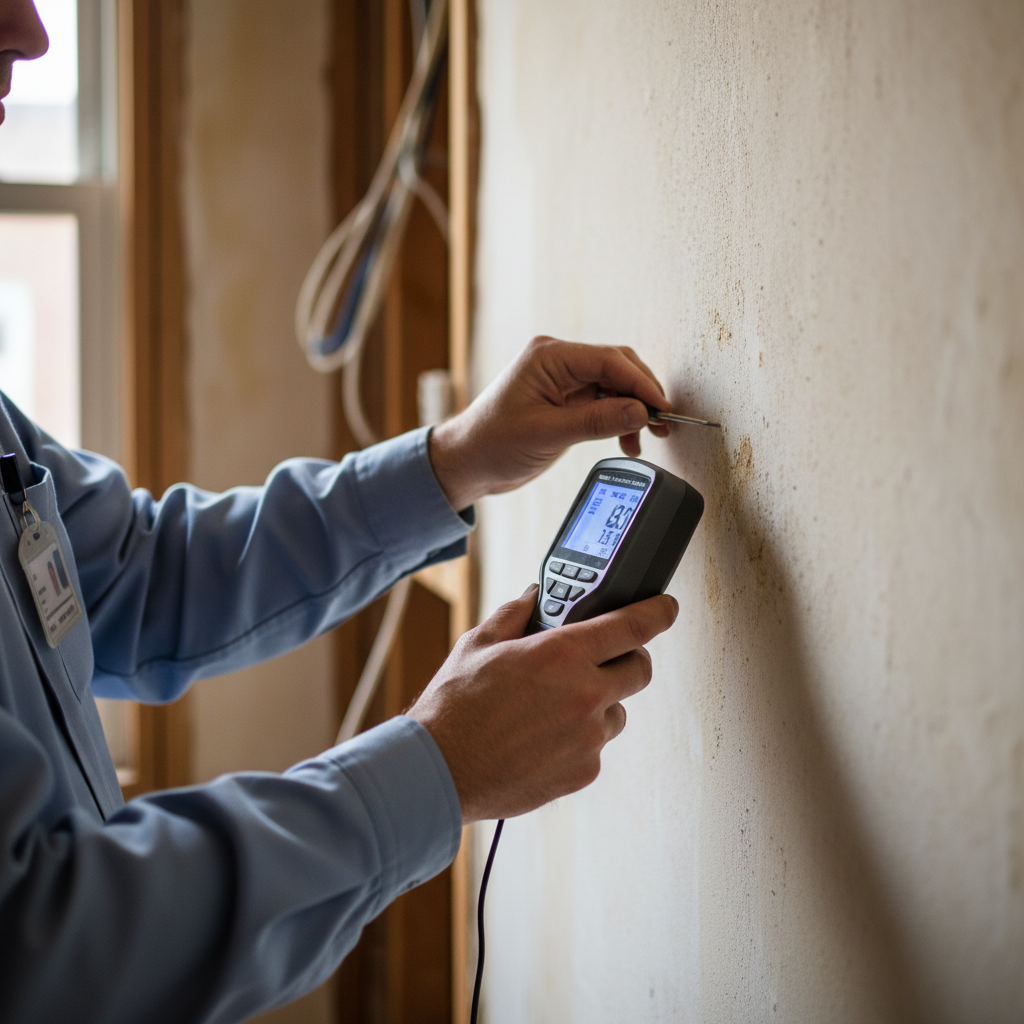
Preparation ensures that the inspection is thorough and that any concerns you have are addressed, making the process smooth and efficient.
Post-Inspection Steps
After the inspection, review the report carefully. Identify any major issues and discuss them with your real estate agent. You may need to negotiate with the seller to address significant repairs or adjust the sale price accordingly.
It's also wise to get estimates for necessary repairs to have a clear understanding of the costs involved. This information can be crucial in deciding whether to proceed with the purchase.
Conclusion
Understanding the home inspection process empowers you as a buyer. It ensures that you make a well-informed decision, ultimately protecting your investment. Remember, a successful home purchase starts with a thorough inspection.