Understanding the Importance of Residential Inspections for New Home Buyers
Buying a new home is an exciting milestone, but it also comes with its fair share of challenges. One crucial step in the home-buying process is conducting a residential inspection. This process can uncover potential issues, saving you from costly surprises down the road.
Why Residential Inspections Matter
A residential inspection is a comprehensive evaluation of a property's condition. It provides new home buyers with a detailed understanding of the property's state, highlighting areas that require attention. Understanding potential issues upfront allows buyers to make informed decisions and negotiate repairs or price adjustments with the seller.

Key Components of a Residential Inspection
During an inspection, professionals will assess various aspects of the home, including:
- Structural integrity: Ensuring the foundation, walls, and roof are sound.
- Electrical systems: Checking for outdated wiring or faulty connections.
- Plumbing: Identifying leaks, blockages, or other issues in the water systems.
- HVAC systems: Evaluating heating, ventilation, and air conditioning units for efficiency and safety.
Benefits of a Thorough Inspection
A comprehensive inspection can reveal hidden problems that might not be visible during a casual walkthrough. By identifying these issues early, buyers can avoid unexpected expenses and ensure their new home is safe and comfortable. Furthermore, inspection reports can serve as a valuable negotiating tool.
Choosing the Right Inspector
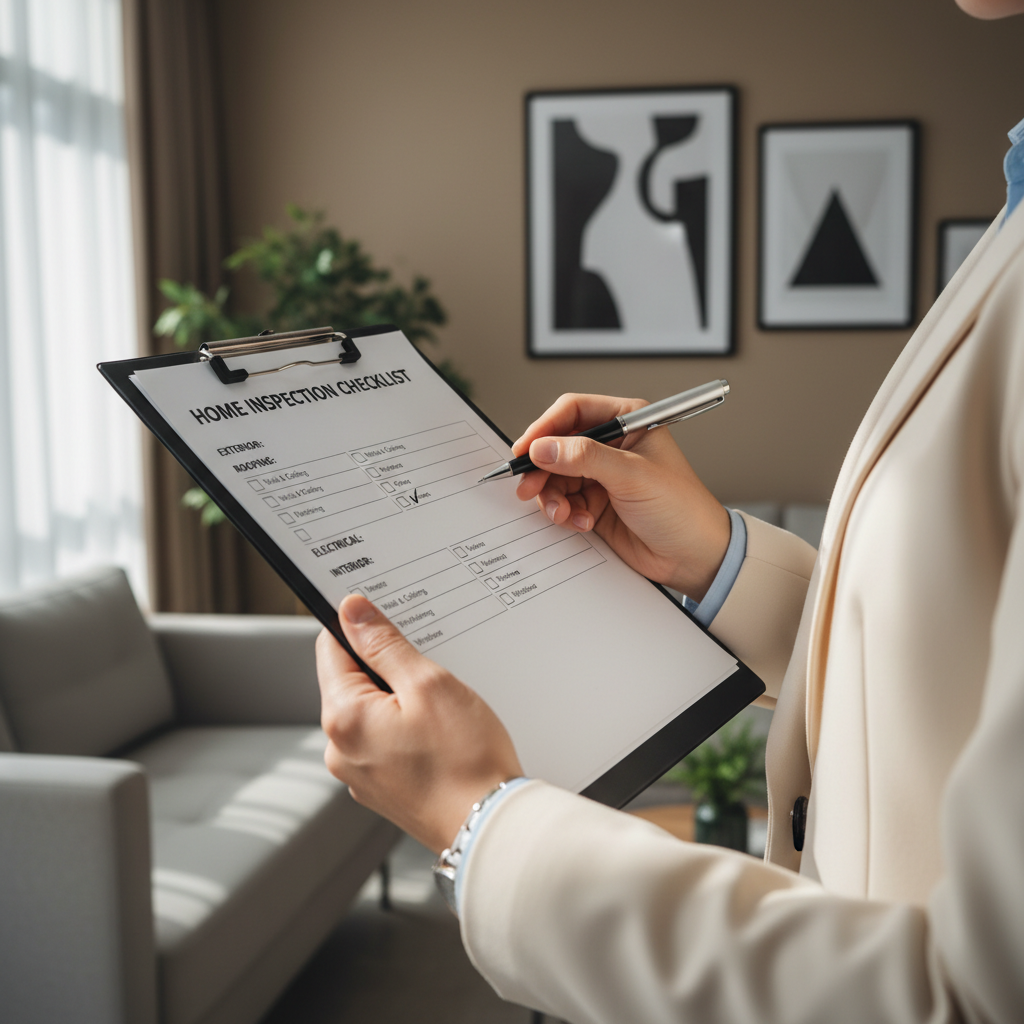
Selecting a qualified inspector is critical. Look for professionals with certifications from recognized organizations. A qualified inspector will provide a detailed report, complete with photos and recommendations for any necessary repairs or maintenance.
Preparing for Your Inspection
Before the inspection, it's wise for buyers to prepare a list of specific concerns or areas they want the inspector to focus on. Being present during the inspection can also be beneficial, as it offers an opportunity to ask questions and gain deeper insights into the home's condition.
Post-Inspection Steps
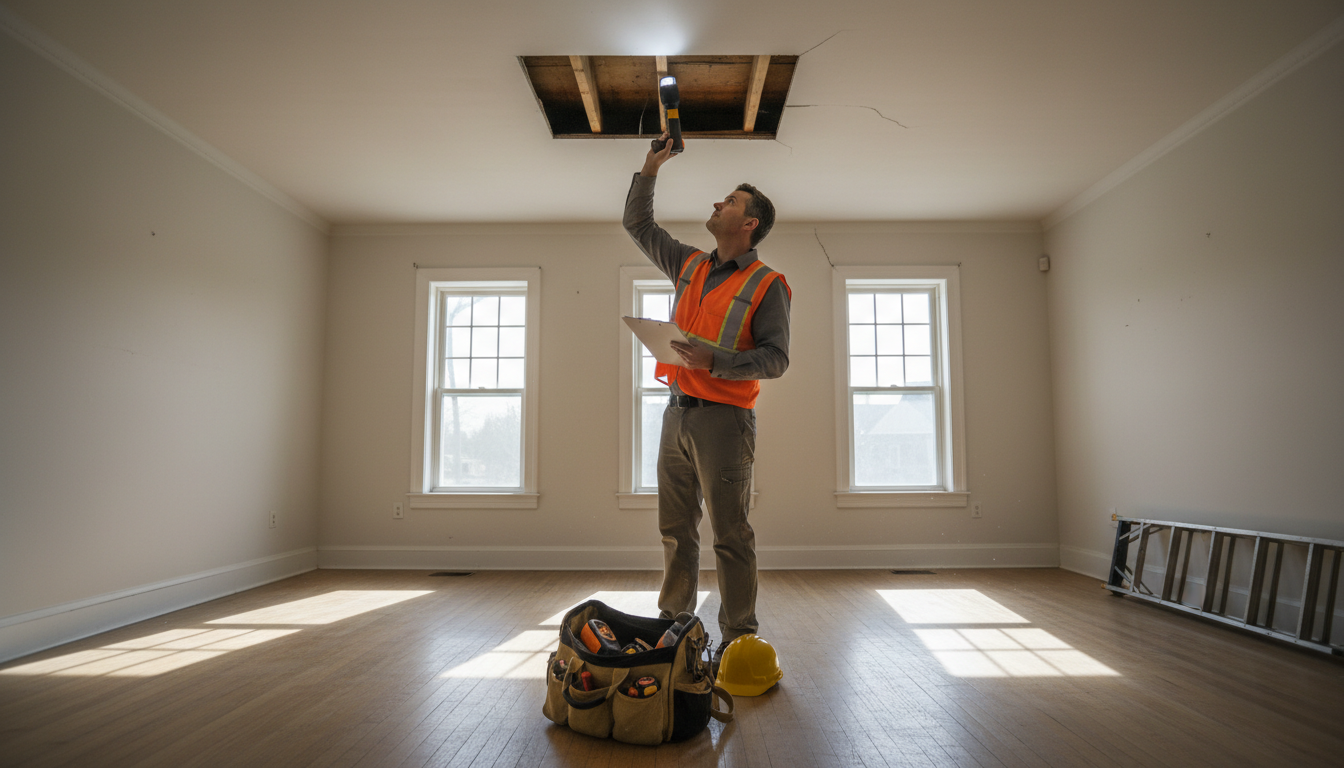
Once the inspection is complete, review the report thoroughly. Discuss any major concerns with your real estate agent, and consider obtaining quotes for necessary repairs. You might decide to renegotiate the purchase terms based on the inspection findings, ensuring you get the best possible deal.
In conclusion, a residential inspection is an essential step in the home-buying journey. It provides clarity and peace of mind, empowering buyers to make confident, informed decisions. Investing in a thorough inspection can save time, money, and stress, making it a wise choice for any prospective homeowner.